Trusted Seattle Siding Services Focused on Craftsmanship and Value
Top-Quality Exterior Services for Your Home Renovation
Revamping a home often begins with its exterior. Top-quality siding services play an crucial role in enhancing both look and functionality. Property owners face a multitude of options, from vinyl to fiber cement. Each choice presents unique benefits and challenges. Understanding these factors is essential for making an informed decision. The implications of siding selection extend beyond aesthetics. What elements should one consider to ensure lasting value and performance?
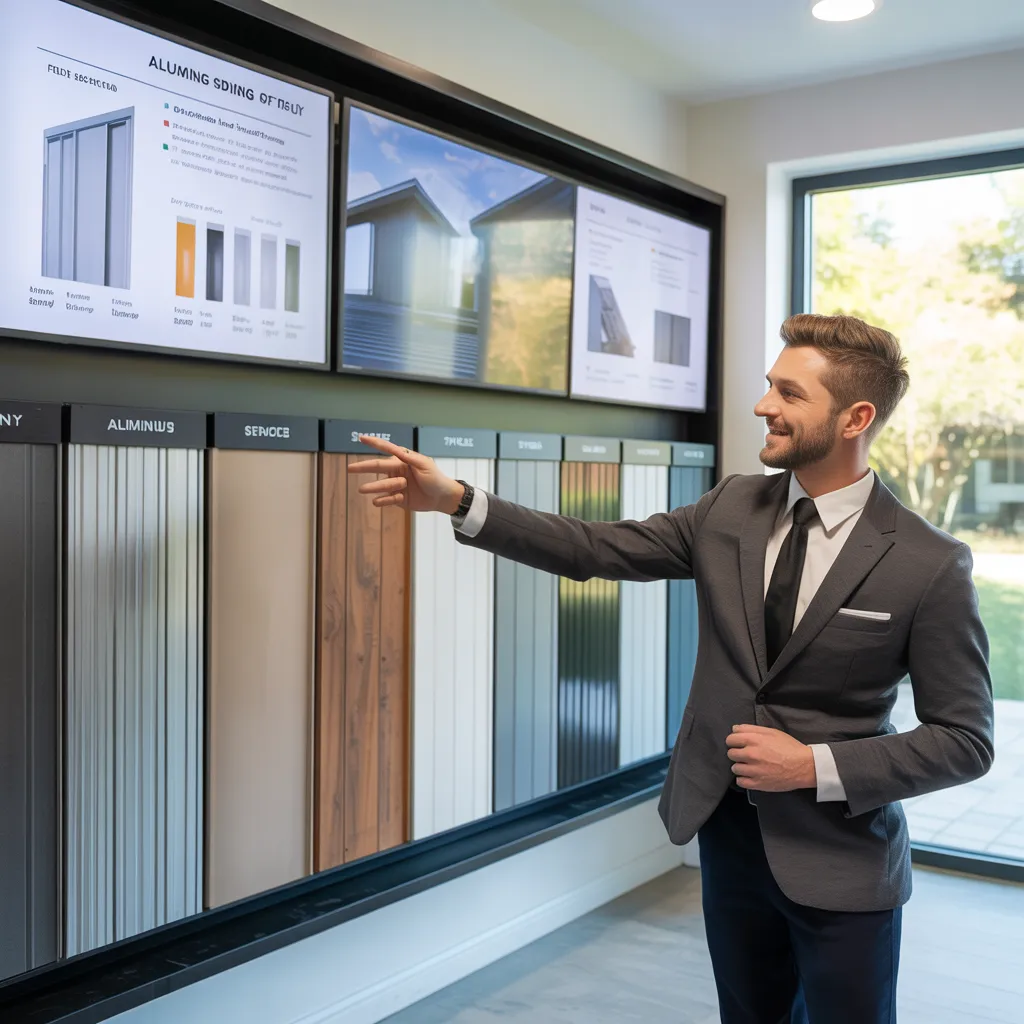
Professional Exterior Covering Importance for Your Property
What makes quality siding so essential for a house? The quality of siding has a direct impact on a home's aesthetic quality, thermal efficiency, and building integrity. Expert installation guarantees that the siding is correctly applied, curtailing the risk of moisture infiltration, fungal spread, and pest infestations. In addition, expert siding services often come with protective agreements that shield the homeowner's financial stake, providing peace of mind against potential issues.
Additionally, professionals have the skills to deal with various materials and local building codes, assuring conformity and long-lasting results. Proper siding can also enhance a home’s market value, making it more attractive to prospective buyers. Conversely, DIY installations can result in costly errors and poor results. Thus, investing in professional siding is necessary for maintaining a home’s beauty and functionality, ultimately aiding a safer and more comfortable living environment.
Exploring Different Siding Materials: What Option Is Ideal for Your Needs?
When examining siding options, homeowners confront a variety of materials, each offering unique advantages. Vinyl siding is noted for its cost-effectiveness and low maintenance, while wood siding offers classic aesthetics that improve curb appeal. Meanwhile, fiber cement excels for its exceptional durability and protection to the elements, making it a practical choice for many.
Vinyl Siding Strengths
top option for home renovations.
Wooden Siding Aesthetics
While vinyl siding supplies ease of maintenance, wood siding captivates with its inherent charm and timeless appeal. The deep textures and warm tones of wood produce an inviting atmosphere, elevating a home's visual appeal. Available in various species, like cedar, pine, and redwood, wood siding grants homeowners to customize their design inclinations. Its versatility can complement different design approaches, from traditional homes to modern designs. Besides, wood siding can be painted or stained to achieve the wanted appearance, encouraging extended individuation. Still, the unique grain patterns and natural variations in color offer a one-of-a-kind character that manufactured alternatives frequently lack. Therefore, wood siding proves to be a popular choice for those desiring an beautiful, natural aesthetic for their homes.
Fiber Cement Performance
Fiber cement siding features its outstanding durability, making it a popular option in the exterior market. Made from a mixture of cement, sand, and cellulose fibers, it guards against rot, warping, and insect damage. Unlike wood, fiber cement does not fall prey to moisture-related problems, ensuring lasting performance even in difficult climates. Its resistance to fading and cracking also enhances its longevity, requiring minimal upkeep over the years. Moreover, it can be painted in different colors, allowing homeowners to modify aesthetics without reducing durability. This combination of strength and flexibility makes fiber cement siding a perfect pick for those wanting both form and function in their home improvement projects.
How Siding Increases Thermal performance and Relaxation
Siding plays an essential role in enhancing a home's power conservation and comfort. Its insulation properties can significantly decrease heat loss, while modern methods for stopping air infiltration help maintain a consistent indoor environment. As a result, homeowners can enjoy lower energy bills and enhanced overall comfort.
Insulation Characteristics of Siding
A properly insulated home can greatly enhance both energy efficiency and comfort. Siding plays a crucial part in supporting this by supplying an additional layer of insulation. Various siding materials, such as insulated vinyl or fiber cement, are intended to reduce heat transfer, helping keep residences warmer in winter and cooler in summer. This thermal barrier minimizes the workload on heating and cooling systems, resulting in lower energy bills. Furthermore, the insulation properties of siding aid in maintaining a more stable indoor climate, boosting overall comfort. By picking high-quality siding with superior insulation, homeowners can enjoy a more energy-efficient residence while also gaining improved noise reduction and durability. These factors turn siding into a valuable investment in home improvement.
Air Leakage Prevention Techniques reduce air escape with efficient methods
Reducing air leakage is indispensable for optimizing energy efficiency and comfort throughout a dwelling. Appropriate siding installation matters greatly in this activity. High-quality siding choices, such as fiber cement or vinyl, commonly display interlocking designs that prevent openings, cutting the potential for air infiltration. Moreover, utilizing efficient sealing techniques, like caulking and weather stripping, bolsters the defenses against unwanted drafts. Insulation situated behind the siding also plays an important role by maintaining a stable indoor temperature. Consistent maintenance, including reviews for cracks and wear, ensures that the siding remains at peak performance. By tackling air leakage through thoughtful siding decisions and precise installation, homeowners can obtain noteworthy energy savings and improved indoor comfort year-round.
What to Consider in Energy-Efficient Siding?
When evaluating energy-efficient siding, property owners often wonder what important characteristics to focus on. First and foremost, insulation value is crucial; siding with a superior R-rating demonstrates improved heat retention, which helps maintain indoor temperatures. Homeowners should also seek out options with protection against moisture and mold, as these can undermine energy efficiency over time.
An significant feature is the siding's ability to minimize air infiltration. Products with secure seams and interlocking panels can reduce drafts. Additionally, reflective surfaces that bounce sunlight can help maintain homes cooler in the summer.
Finally, eco-friendly materials that contribute to sustainability can be beneficial. Options such as fiber cement or engineered wood not only provide durability but also enhance energy efficiency. By evaluating these aspects, homeowners can make informed decisions that contribute to lower energy bills and a more comfortable living environment.
Essential Requirements for Selecting the Right Siding Material
Picking the right siding option involves several important factors that extend beyond energy efficiency. Homeowners must emphasize durability, as materials like vinyl or fiber cement can endure severe climate conditions. Visual appeal is also crucial; the siding should match the home's architectural style while reflecting personal preference. Maintenance demands differ widely among materials; wood may require regular painting or staining, whereas vinyl typically requires less attention.
Pricing constitutes another key consideration, integrating both initial capital and sustained costs. Alternative sustainable options, such as restored timber or reclaimed resources, may appeal to environmentally aware homeowners. In addition, local weather patterns should direct your selection, with certain materials functioning well in unique environments. Finally, homeowners should reflect on the availability of siding options available in their community, as this will affect both selection and installation processes. Making a well-informed decision will guarantee that the preferred option improves both the property's value and curb appeal.
Why Installation Matters for Siding Longevity
Adequate installation is necessary for extending the longevity of siding components. When siding is fitted accurately, it delivers a dependable barrier against atmospheric elements, reducing the risk of deterioration from dampness, wind, and pests. Incorrect alignment or substandard sealing during installation can produce gaps that facilitate water infiltration, ultimately bringing about mold spread and structural damage.
Moreover, adherence to manufacturer specifications during setup is critical. Each siding material has specific requirements that, when adhered to, improve durability and functionality. For example, improper nailing techniques or insufficient insulation can compromise the structural soundness of the siding, resulting in premature deterioration.
Additionally, expert service often features quality checks and protection plans, delivering homeowners with peace of mind. Investing in a skilled installation team not only guarantees aesthetic appeal but also safeguards the siding investment, boosting its lifespan and efficiency. Correct installation, consequently, is an essential step in upholding the security and value of a home.
Guidelines for Maintaining Your Siding to Obtain Lasting Looks and Defensive Advantages
Maintaining siding demands consistent care to ensure its aesthetic appeal and protective qualities endure over time. Homeowners should begin with regular checks to identify any indicators of deterioration, such as cracks or distortion. Washing the siding every six months is essential; using a gentle detergent and delicate bristles can avoid the accumulation of grime and mold. Additionally, inspecting the caulking around windows and doors works to prevent moisture intrusion, which can lead to more substantial problems.
It is also recommended to repaint or stain wood siding every few years to preserve its integrity and appearance. For vinyl siding, a basic cleaning with a garden hose is often sufficient. Homeowners should be aware of overhanging trees that can scratch or damage siding and trim them back as needed. By applying these care suggestions, homeowners can confirm their siding remains beautiful and durable for years to come.
Popular Inquiries Posed Regularly
What Signs Should I Watch For to Spot Damaged Siding?
To identify siding damage signs, look at for breaks, twisting, paint loss, algae growth, and voids between panels. In the same way, be aware of moisture accumulation indoors, which may reveal siding-related problems.
How Long Is the Average Lifespan of Diverse Siding Materials?
The average lifespan of siding materials varies: wood lasts 20-40 years, vinyl 20-30 years, fiber cement 25-50 years, and aluminum about 30 years. Considerations like environmental conditions and care can greatly influence these durations.
Do I Need a Permit to Complete Siding Installation?
Whether a permit is required for siding installation depends on local regulations. Generally, property owners should consult their municipal building department to confirm adherence with any required permits and to avoid possible penalties or project delays.
Is It Viable to Put New Siding Over Present Siding?
Yes, updated siding can often be installed atop existing siding, provided the structural foundation is solid and meets local building codes. However, careful assessment and feasible moisture barriers should be reviewed to guarantee long-term durability.
How Does Siding Impact My Home's Selling Price?
Siding plays a major role in a home's market value by enhancing curb appeal and power savings. High-quality materials combined with professional practical advice installation can appeal to potential buyers, potentially boosting offers and minimizing time on the market, ultimately providing a higher return.